
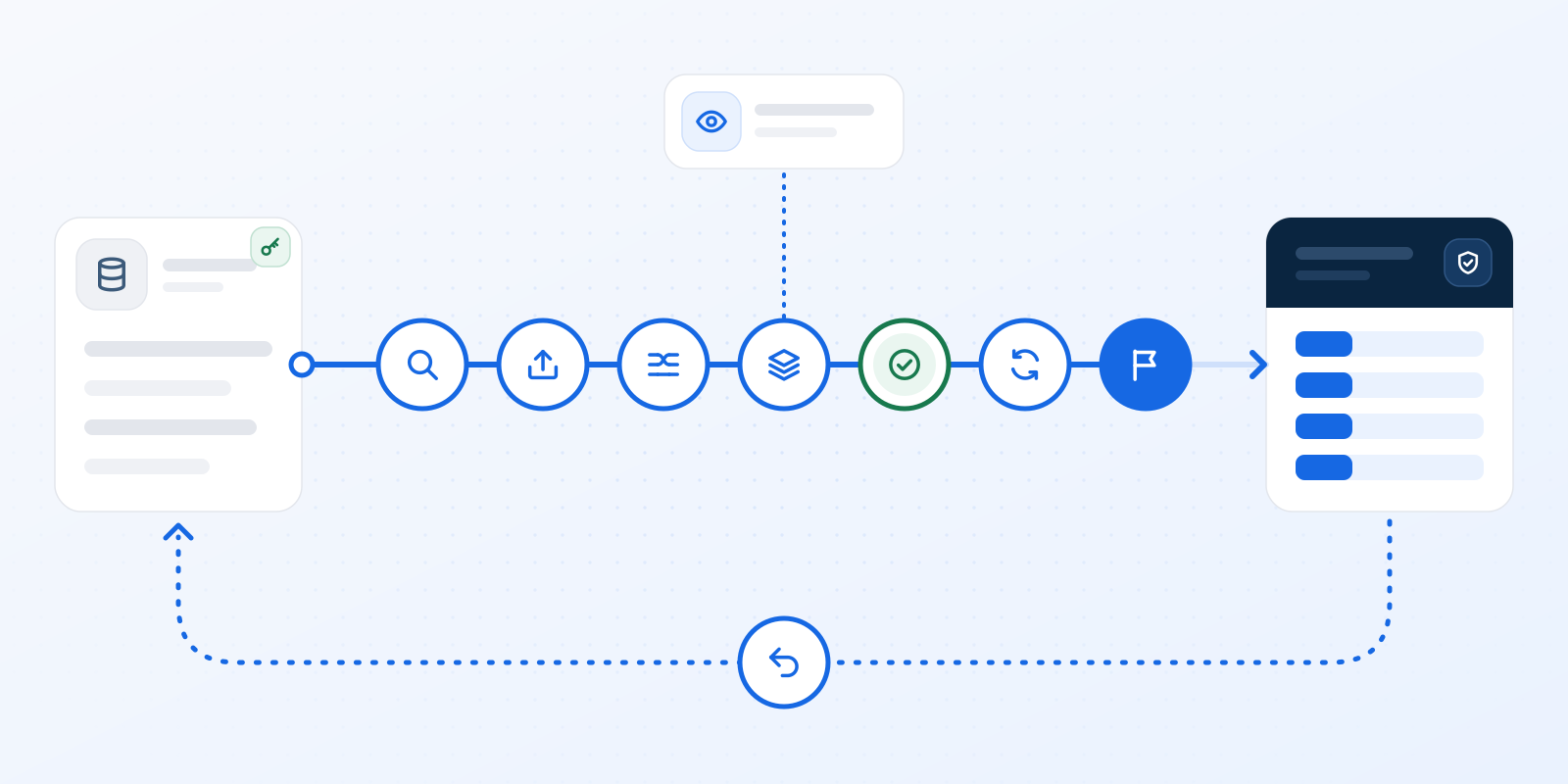
- Audit
source system, data scope, integrations, documents, opening balances
- Export
repeatable extraction with data-quality checks
- Mapping & cleansing
customers, vehicles, contracts, rates, finance, statuses
- Staging
loaded into a non-production environment you can open and check
- Validation
operational reconciliation with your sign-off
- Final sync
delta load close to go-live
- Go-live
controlled cutover with heightened support
- Rollback plan
defined fallback conditions and retained access to the source system
What the assessment asks for.
An export or access to your current system, a list of the integrations you depend on, your document templates, and one person who knows why the data looks the way it does. That last one matters more than the rest.
What happens to our history?
The audit stage decides what moves and what stays accessible in the old system. Migrating ten years of closed rentals is rarely worth the cost; migrating open contracts, customers, vehicles and balances always is.
Can we run both systems for a while?
For reading, yes, and that is usually wise. For writing, no — two systems taking bookings is how availability breaks.
When is the right time of year?
Outside your peak, with the validation stage completed before demand starts. For a Greek seasonal operation that usually means going live between November and March.